

AI-Driven Anomaly Detection Market Insights and Opportunities
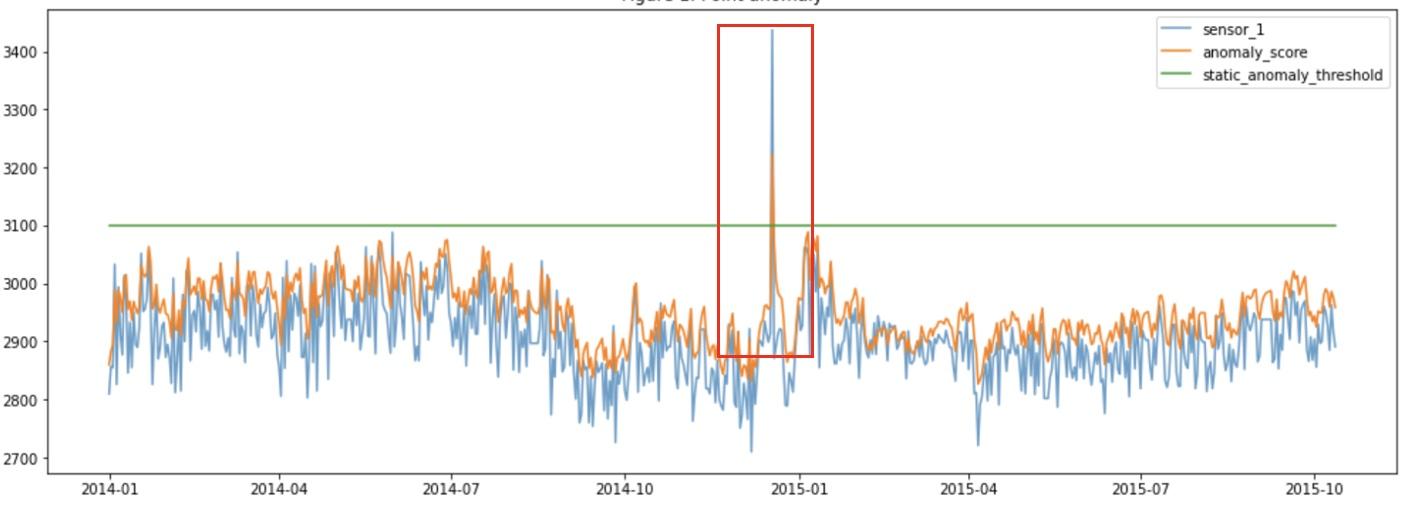
Current Anomaly Detection Market Trends indicate significant shifts in technology preferences, deployment strategies, and application areas as organizations seek more effective solutions for identifying unusual patterns within their data environments. The Anomaly Detection Market size is projected to grow USD 11.81 Billion by 2035, exhibiting a CAGR of 12.48% during the forecast period 2025-2035. Artificial intelligence and machine learning integration represents the most prominent trend transforming traditional rule-based detection systems into intelligent platforms capable of learning normal behavior patterns and adapting to evolving data characteristics without extensive manual configuration. Real-time processing capabilities are becoming standard requirements as organizations demand immediate threat identification and response capabilities.
The shift toward cloud-native solutions represents another significant trend reshaping market dynamics as organizations seek scalable, flexible deployment options reducing infrastructure management burdens while enabling rapid implementation. Multi-cloud and hybrid cloud strategies require anomaly detection solutions capable of monitoring diverse environments through unified platforms providing comprehensive visibility across entire organizational infrastructure. Containerization and microservices architectures create new challenges for anomaly detection requiring specialized approaches monitoring dynamic, ephemeral computing environments effectively.
Automation and orchestration capabilities are increasingly integrated with anomaly detection platforms enabling automated response actions reducing human intervention requirements and response times significantly. Security orchestration automation and response integration allows organizations to create sophisticated workflows automatically addressing detected anomalies according to predefined policies. User and entity behavior analytics represent growing trend focusing on insider threat detection through continuous monitoring of user activities identifying deviations from established behavioral patterns potentially indicating compromised accounts or malicious insider actions.
Edge computing integration represents emerging trend enabling anomaly detection processing at network edges reducing latency and bandwidth requirements while enabling real-time detection in distributed environments. Explainable artificial intelligence features are gaining importance as organizations require transparency in detection algorithms for regulatory compliance and operational understanding. Industry-specific solution development continues as vendors recognize the unique requirements across different sectors developing specialized offerings addressing particular challenges.
Top Trending Reports -
Cloud High Performance Computing Market

 Arabic
 French
 Spanish
 Portuguese
 Deutsch
 Turkish
 Dutch
Dutch
 Italiano
 Russian
 Romaian
 Portuguese (Brazil)
 Greek
Greek