
• True Worship and Intimate Relationship with the God of Plenty

    True worship is a profound, intimate relationship with the God of plenty, characterized by a deep, spirit-to-spirit, heart-to-heart connection. It is an intuitive, innate, and inborn knowledge of the divine, fostering a personal and transformative bond.

    This relationship is marked by:
    - Spirit-to-Spirit Connection: A direct, personal communion with the God of plenty, transcending mere words or rituals.
    - Heart-to-Heart Bond: A deep emotional and spiritual connection, reflecting a genuine and loving relationship.
    - Intuitive Knowledge: An inherent understanding of the divine, guiding one's actions and thoughts.
    - Innate and Inborn: A natural, intrinsic part of one's being, reflecting a fundamental aspect of human spirituality.

    In this context, true worship is not just about external actions but about cultivating a deep, personal relationship with the God of plenty, leading to a life of meaning, purpose, and spiritual fulfillment.

    This is Somnalatic Sanity making sense in every matter, and provoking you to think critically

    #KingSomnalaHQNala #trueworship #intimate
    True Worship and Intimate Relationship with the God of Plenty True worship is a profound, intimate relationship with the God of plenty, characterized by a deep, spirit-to-spirit, heart-to-heart connection. It is an intuitive, innate, and inborn knowledge of the divine, fostering a personal and transformative bond. This relationship is marked by: - Spirit-to-Spirit Connection: A direct, personal communion with the God of plenty, transcending mere words or rituals. - Heart-to-Heart Bond: A deep emotional and spiritual connection, reflecting a genuine and loving relationship. - Intuitive Knowledge: An inherent understanding of the divine, guiding one's actions and thoughts. - Innate and Inborn: A natural, intrinsic part of one's being, reflecting a fundamental aspect of human spirituality. In this context, true worship is not just about external actions but about cultivating a deep, personal relationship with the God of plenty, leading to a life of meaning, purpose, and spiritual fulfillment. This is Somnalatic Sanity making sense in every matter, and provoking you to think critically #KingSomnalaHQNala #trueworship #intimate
    0 Reacties 0 aandelen 250 Views 0 voorbeeld

  • Looking for an expert home interior designer in Noida? Neomen Architects & Interior Designers creates elegant, functional, and personalized living spaces that reflect your style and comfort. We specialize in complete home interiors, including modular kitchens, living rooms, bedrooms, wardrobes, lighting design, and customized furniture solutions. Our team combines creative concepts with smart space planning, premium materials, and modern finishes to deliver stunning results within your budget. From design consultation to final execution, we ensure seamless coordination, quality craftsmanship, and timely project completion. Whether you prefer contemporary, classic, or luxury interiors, Neomen transforms your vision into reality with precision and care. Choose Neomen Architects & Interior Designers for stylish, comfortable, and thoughtfully designed homes in Noida.
    https://www.neomen.in/services
    Looking for an expert home interior designer in Noida? Neomen Architects & Interior Designers creates elegant, functional, and personalized living spaces that reflect your style and comfort. We specialize in complete home interiors, including modular kitchens, living rooms, bedrooms, wardrobes, lighting design, and customized furniture solutions. Our team combines creative concepts with smart space planning, premium materials, and modern finishes to deliver stunning results within your budget. From design consultation to final execution, we ensure seamless coordination, quality craftsmanship, and timely project completion. Whether you prefer contemporary, classic, or luxury interiors, Neomen transforms your vision into reality with precision and care. Choose Neomen Architects & Interior Designers for stylish, comfortable, and thoughtfully designed homes in Noida. https://www.neomen.in/services
    0 Reacties 0 aandelen 136 Views 0 voorbeeld
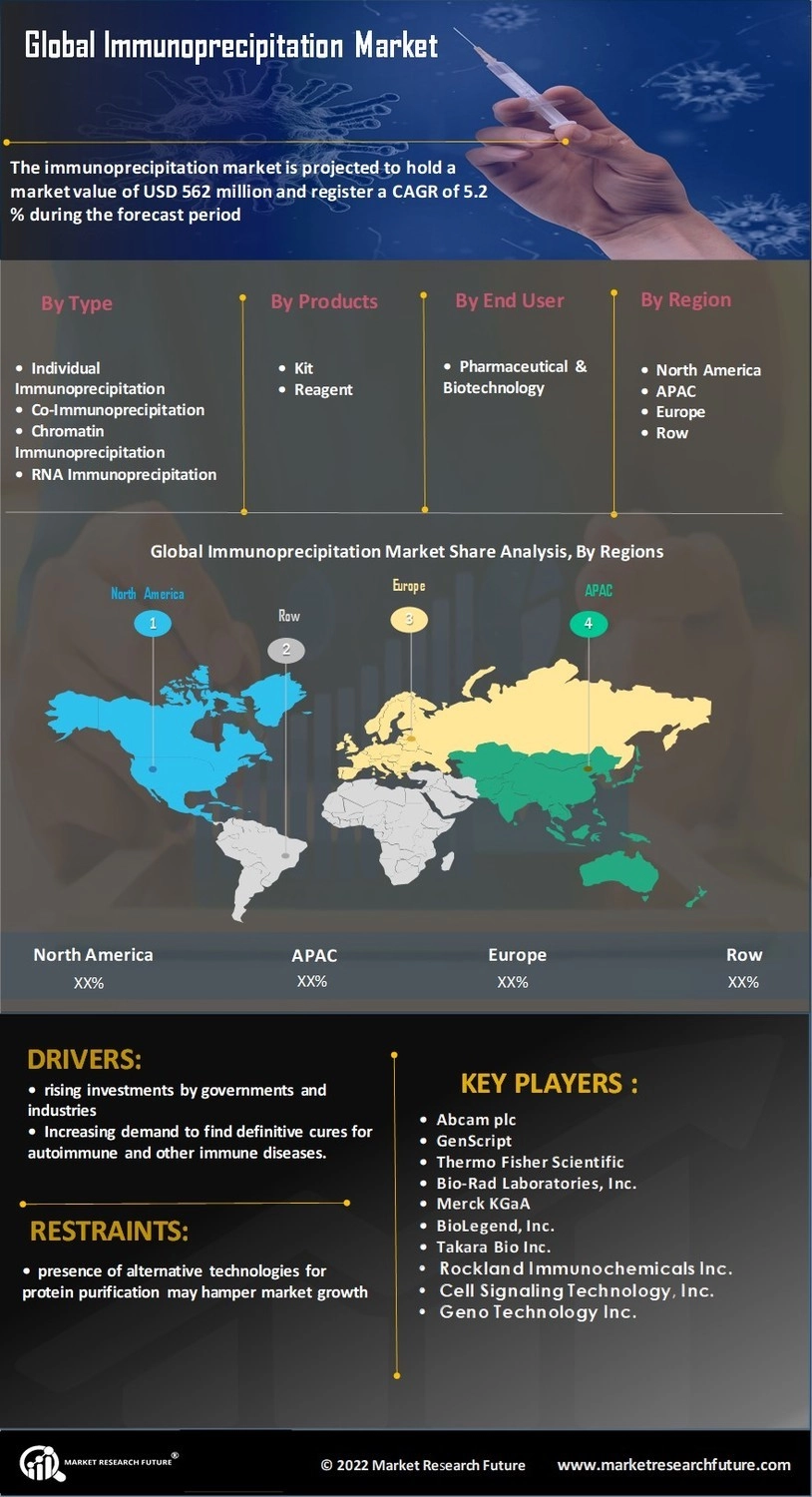
  • Immunoprecipitation Market: Current Landscape and Growth Outlook

    The global immunoprecipitation market — which includes antibodies, reagents, kits, magnetic beads and associated consumables and instruments used for protein–antibody capture techniques such as co-immunoprecipitation (Co-IP) and chromatin immunoprecipitation (ChIP) — has matured into a steady, research-driven segment of the life-science tools industry. Recent market research places the market valuation at roughly USD $750 million in 2023, with expected mid-single-digit annual growth through the rest of the decade.

    Get full Reports:https://www.marketresearchfuture.com/reports/immunoprecipitation-market-7816

    Driving factors behind this expansion are clear: rising global R&D spending in pharmaceuticals and biotechnology; widespread use of immunoprecipitation in proteomics, biomarker discovery, epigenetics (ChIP) and drug-target validation; and growing adoption of higher-throughput, kit-based workflows that simplify traditionally labor-intensive protocols. These trends increase demand not only for core reagents (antibodies, beads) but also for validated kits and integrated workflows that accelerate reproducible results in academic labs, CROs and pharma companies.

    Regionally, North America leads in revenue share thanks to heavy academic and industrial R&D investment, with Europe and Asia-Pacific (notably China and India) showing the fastest uptake as research infrastructures expand and local reagent manufacturing scales up. Growth in Asia-Pacific is being driven by increasing biotech funding, expanding clinical research activity, and greater instrument/consumable localization to reduce costs and lead times.

    Competitive dynamics center on a mix of large life-science vendors and specialized reagent/kit providers. Major players frequently cited in market analyses include Thermo Fisher Scientific, Merck KGaA (MilliporeSigma), Bio-Rad Laboratories and Abcam — companies that combine broad antibody portfolios with validated kits and technical support to capture institutional buyers. Smaller niche suppliers and startups focusing on next-generation affinity reagents, automation-friendly kits, or ChIP-seq library prep also create acquisition and partnership opportunities for larger firms.

    Looking ahead, the immunoprecipitation market’s most promising opportunities lie in: (1) continued migration from in-house IP protocols to validated kits and automation-compatible reagents, (2) expansion of ChIP and other IP-linked sequencing workflows, and (3) growth in proteomics and multi-omics programs that integrate IP with mass spectrometry and sequencing. Challenges will include reagent reproducibility, antibody specificity concerns, and pricing pressure as competitors commoditize basic consumables. For researchers and suppliers alike, investments in validation data, technical support, and bundled workflows will be decisive competitive levers.
    Immunoprecipitation Market: Current Landscape and Growth Outlook The global immunoprecipitation market — which includes antibodies, reagents, kits, magnetic beads and associated consumables and instruments used for protein–antibody capture techniques such as co-immunoprecipitation (Co-IP) and chromatin immunoprecipitation (ChIP) — has matured into a steady, research-driven segment of the life-science tools industry. Recent market research places the market valuation at roughly USD $750 million in 2023, with expected mid-single-digit annual growth through the rest of the decade. Get full Reports:https://www.marketresearchfuture.com/reports/immunoprecipitation-market-7816 Driving factors behind this expansion are clear: rising global R&D spending in pharmaceuticals and biotechnology; widespread use of immunoprecipitation in proteomics, biomarker discovery, epigenetics (ChIP) and drug-target validation; and growing adoption of higher-throughput, kit-based workflows that simplify traditionally labor-intensive protocols. These trends increase demand not only for core reagents (antibodies, beads) but also for validated kits and integrated workflows that accelerate reproducible results in academic labs, CROs and pharma companies. Regionally, North America leads in revenue share thanks to heavy academic and industrial R&D investment, with Europe and Asia-Pacific (notably China and India) showing the fastest uptake as research infrastructures expand and local reagent manufacturing scales up. Growth in Asia-Pacific is being driven by increasing biotech funding, expanding clinical research activity, and greater instrument/consumable localization to reduce costs and lead times. Competitive dynamics center on a mix of large life-science vendors and specialized reagent/kit providers. Major players frequently cited in market analyses include Thermo Fisher Scientific, Merck KGaA (MilliporeSigma), Bio-Rad Laboratories and Abcam — companies that combine broad antibody portfolios with validated kits and technical support to capture institutional buyers. Smaller niche suppliers and startups focusing on next-generation affinity reagents, automation-friendly kits, or ChIP-seq library prep also create acquisition and partnership opportunities for larger firms. Looking ahead, the immunoprecipitation market’s most promising opportunities lie in: (1) continued migration from in-house IP protocols to validated kits and automation-compatible reagents, (2) expansion of ChIP and other IP-linked sequencing workflows, and (3) growth in proteomics and multi-omics programs that integrate IP with mass spectrometry and sequencing. Challenges will include reagent reproducibility, antibody specificity concerns, and pricing pressure as competitors commoditize basic consumables. For researchers and suppliers alike, investments in validation data, technical support, and bundled workflows will be decisive competitive levers.
    WWW.MARKETRESEARCHFUTURE.COM
    Immunoprecipitation Market Size, Trends, Growth Report 2035
    Immunoprecipitation Market projected to grow at 5.71% CAGR, reaching USD 3.5 Billion by 2035. Top company industry analysis driving growth, trends, regions, opportunity, and global outlook 2025-2035.
    0 Reacties 0 aandelen 1K Views 0 voorbeeld
  • Looking for the Best Architects in Noida? Neomen Architects & Interior Designers brings creativity, precision, and modern design expertise to every project. Known for their innovative concepts and flawless execution, Neomen transforms residential, commercial, and corporate spaces with intelligent planning and aesthetic brilliance. Their team blends functionality with style, ensuring every project reflects the client’s vision while maintaining structural excellence. From luxury homes to premium office interiors, they deliver end-to-end architectural and interior solutions with top-quality materials and contemporary design trends. If you want a space that stands out with elegance and smart utility, Neomen Architects & Interior Designers is your trusted partner in Noida. Bring your dream space to life with expert craftsmanship and personalized design.
    https://neomen.in/
    Looking for the Best Architects in Noida? Neomen Architects & Interior Designers brings creativity, precision, and modern design expertise to every project. Known for their innovative concepts and flawless execution, Neomen transforms residential, commercial, and corporate spaces with intelligent planning and aesthetic brilliance. Their team blends functionality with style, ensuring every project reflects the client’s vision while maintaining structural excellence. From luxury homes to premium office interiors, they deliver end-to-end architectural and interior solutions with top-quality materials and contemporary design trends. If you want a space that stands out with elegance and smart utility, Neomen Architects & Interior Designers is your trusted partner in Noida. Bring your dream space to life with expert craftsmanship and personalized design. https://neomen.in/
    0 Reacties 0 aandelen 446 Views 0 voorbeeld
  • Combat Dressing Market Forecast – Future Outlook and Opportunities

    The future outlook of the Combat Dressing Market is highly optimistic, driven by rising defense spending and advancements in hemostatic and antimicrobial dressing technologies. Governments and defense organizations across North America, Europe, and Asia-Pacific are emphasizing the modernization of battlefield medical kits, which is expected to accelerate market growth. The development of lightweight, durable, and multifunctional dressings allows soldiers and paramedics to manage severe injuries efficiently. The Combat Dressing Market forecast
    highlights substantial potential for innovative product launches and strategic partnerships between manufacturers and healthcare institutions.

    Get Full Reports:https://www.marketresearchfuture.com/reports/combat-dressing-market-32290

    Market segmentation based on distribution channels such as direct government procurement, online platforms, and retail outlets is enhancing accessibility for end-users. Regional demand variations are influenced by military modernization programs and emergency healthcare preparedness initiatives. The integration of nanotechnology and advanced polymers in dressing materials contributes to enhanced hemostatic efficiency and patient outcomes. These advancements, combined with market intelligence, enable manufacturers to plan product launches and expansions strategically, ensuring sustained competitiveness in the Combat Dressing Market.

    FAQs:
    Q1: What factors are driving the combat dressing market?
    A1: Key factors include rising defense expenditure, emergency care requirements, and technological innovations in dressing materials.

    Q2: Which regions show the highest demand?
    A2: North America and Europe are leading, followed by growing adoption in Asia-Pacific due to increased defense investments.
    Combat Dressing Market Forecast – Future Outlook and Opportunities The future outlook of the Combat Dressing Market is highly optimistic, driven by rising defense spending and advancements in hemostatic and antimicrobial dressing technologies. Governments and defense organizations across North America, Europe, and Asia-Pacific are emphasizing the modernization of battlefield medical kits, which is expected to accelerate market growth. The development of lightweight, durable, and multifunctional dressings allows soldiers and paramedics to manage severe injuries efficiently. The Combat Dressing Market forecast highlights substantial potential for innovative product launches and strategic partnerships between manufacturers and healthcare institutions. Get Full Reports:https://www.marketresearchfuture.com/reports/combat-dressing-market-32290 Market segmentation based on distribution channels such as direct government procurement, online platforms, and retail outlets is enhancing accessibility for end-users. Regional demand variations are influenced by military modernization programs and emergency healthcare preparedness initiatives. The integration of nanotechnology and advanced polymers in dressing materials contributes to enhanced hemostatic efficiency and patient outcomes. These advancements, combined with market intelligence, enable manufacturers to plan product launches and expansions strategically, ensuring sustained competitiveness in the Combat Dressing Market. FAQs: Q1: What factors are driving the combat dressing market? A1: Key factors include rising defense expenditure, emergency care requirements, and technological innovations in dressing materials. Q2: Which regions show the highest demand? A2: North America and Europe are leading, followed by growing adoption in Asia-Pacific due to increased defense investments.
    WWW.MARKETRESEARCHFUTURE.COM
    Combat Dressing Market Size, Growth, Trends, Report 2035
    Combat Dressing Market growth is projected to reach USD 1.81 Billion, at 4.95% CAGR by driving industry size, share, top company analysis, segments research, trends and forecast report 2025 to 2035
    0 Reacties 0 aandelen 1K Views 0 voorbeeld
  • Exploring Amyotrophic Lateral Sclerosis Market Growth Through Innovation and Clinical Expansion

    The momentum within the Amyotrophic Lateral Sclerosis Market highlights significant growth propelled by continuous advancements in medical technologies, patient-support innovations, and expanding neurological research frameworks. As ALS cases receive earlier diagnoses due to improved screening systems and broader public awareness, healthcare practitioners are increasingly adopting integrated diagnostic models that combine imaging tools, electrophysiological assessments, biomarker analysis, and digital evaluations. This multifaceted approach allows clinicians to detect subtle changes in motor neuron function earlier, enabling more informed treatment planning. Pharmaceutical sectors are intensifying their investigation into novel therapeutic mechanisms including anti-inflammatory pathways, mitochondrial stabilizers, and ion-channel modulators. Concurrently, neurology centers worldwide are developing more comprehensive patient programs, focusing on respiratory support, nutrition planning, adaptive communication methods, and rehabilitative therapies—all of which contribute to improved quality of life. Universities and biotech firms are expanding partnerships to examine promising compounds, while patient registries grow more detailed, offering crucial insights for real-world evidence studies.

    Get Full Reports:https://www.marketresearchfuture.com/reports/amyotrophic-lateral-sclerosis-market-5822

    Digital transformation is another substantial growth driver, reshaping how ALS patients engage with healthcare systems globally. Wearable mobility sensors, AI-based progression trackers, and brain–computer interfaces provide continuous feedback loops that support clinical teams in adjusting care strategies. Advancements in robotic rehabilitation systems enable patients to maintain greater functional independence, while adaptive speech technologies assist in communication as symptoms advance. Investment activities in neurodegenerative research continue rising as governments and private institutions strengthen funding for ALS-centric innovation. Enhanced regulatory frameworks now encourage faster development of breakthrough therapies, while public–private collaboration strengthens educational outreach and patient-support programs. Such trends align with broader healthcare modernization efforts, reflecting a shift toward more personalized, technology-driven care. Those seeking structured findings on current and anticipated developments often reference detailed assessments

    FAQs

    1. Why is ALS market growth accelerating?
    Increasing research activities, digital health adoption, and patient advocacy expansion drive rapid growth.

    2. Are robotic systems commonly used in ALS rehabilitation?
    Their adoption is rising, particularly for mobility assistance and physical therapy.

    3. How do biomarkers support ALS treatment planning?
    They help track disease progression and measure therapeutic effectiveness.
    Exploring Amyotrophic Lateral Sclerosis Market Growth Through Innovation and Clinical Expansion The momentum within the Amyotrophic Lateral Sclerosis Market highlights significant growth propelled by continuous advancements in medical technologies, patient-support innovations, and expanding neurological research frameworks. As ALS cases receive earlier diagnoses due to improved screening systems and broader public awareness, healthcare practitioners are increasingly adopting integrated diagnostic models that combine imaging tools, electrophysiological assessments, biomarker analysis, and digital evaluations. This multifaceted approach allows clinicians to detect subtle changes in motor neuron function earlier, enabling more informed treatment planning. Pharmaceutical sectors are intensifying their investigation into novel therapeutic mechanisms including anti-inflammatory pathways, mitochondrial stabilizers, and ion-channel modulators. Concurrently, neurology centers worldwide are developing more comprehensive patient programs, focusing on respiratory support, nutrition planning, adaptive communication methods, and rehabilitative therapies—all of which contribute to improved quality of life. Universities and biotech firms are expanding partnerships to examine promising compounds, while patient registries grow more detailed, offering crucial insights for real-world evidence studies. Get Full Reports:https://www.marketresearchfuture.com/reports/amyotrophic-lateral-sclerosis-market-5822 Digital transformation is another substantial growth driver, reshaping how ALS patients engage with healthcare systems globally. Wearable mobility sensors, AI-based progression trackers, and brain–computer interfaces provide continuous feedback loops that support clinical teams in adjusting care strategies. Advancements in robotic rehabilitation systems enable patients to maintain greater functional independence, while adaptive speech technologies assist in communication as symptoms advance. Investment activities in neurodegenerative research continue rising as governments and private institutions strengthen funding for ALS-centric innovation. Enhanced regulatory frameworks now encourage faster development of breakthrough therapies, while public–private collaboration strengthens educational outreach and patient-support programs. Such trends align with broader healthcare modernization efforts, reflecting a shift toward more personalized, technology-driven care. Those seeking structured findings on current and anticipated developments often reference detailed assessments FAQs 1. Why is ALS market growth accelerating? Increasing research activities, digital health adoption, and patient advocacy expansion drive rapid growth. 2. Are robotic systems commonly used in ALS rehabilitation? Their adoption is rising, particularly for mobility assistance and physical therapy. 3. How do biomarkers support ALS treatment planning? They help track disease progression and measure therapeutic effectiveness.
    0 Reacties 0 aandelen 1K Views 0 voorbeeld
  • Improved Technology Enhances Sleep Apnea Devices Market Share Worldwide

    The Sleep Apnea Devices Market share continues to rise due to increasing diagnosis of sleep-related disorders. Public health initiatives and increased access to sleep clinics have helped individuals identify symptoms early, leading to timely treatment. As healthcare providers prioritize patient comfort, manufacturers have responded with user-friendly devices featuring improved airflow technology and minimal noise. PAP devices remain widely adopted due to their efficiency in managing airway obstruction, allowing for better sleep quality. Modern devices now incorporate ergonomic masks, intuitive controls, and adjustable pressure settings to support personalized therapy. With rising global awareness, more individuals seek treatment options that improve daily functioning and reduce health risks associated with untreated apnea. This growing demand continues to strengthen the Sleep Apnea Devices Market share.

    Get Full Reports:https://www.marketresearchfuture.com/reports/sleep-apnea-devices-market-2061

    Manufacturers are increasingly implementing digital monitoring systems that provide real-time insights into sleep patterns. This digital transformation empowers both patients and clinicians to analyze therapy performance and adapt treatment plans accordingly. The expansion of telehealth services also supports broader market participation, especially among individuals seeking remote consultations. As home-based care becomes more common, compact and portable PAP machines gain significant traction. With ongoing innovation in diagnostics and therapeutic tools, the Sleep Apnea Devices Market share is expected to grow across various regions and healthcare settings.

    FAQs

    Q1. What drives global market share growth?
    Rising diagnosis rates and greater access to advanced therapeutic devices.

    Q2. Do portable devices impact market share?
    Yes, they attract more consumers due to convenience and mobility.
    Improved Technology Enhances Sleep Apnea Devices Market Share Worldwide The Sleep Apnea Devices Market share continues to rise due to increasing diagnosis of sleep-related disorders. Public health initiatives and increased access to sleep clinics have helped individuals identify symptoms early, leading to timely treatment. As healthcare providers prioritize patient comfort, manufacturers have responded with user-friendly devices featuring improved airflow technology and minimal noise. PAP devices remain widely adopted due to their efficiency in managing airway obstruction, allowing for better sleep quality. Modern devices now incorporate ergonomic masks, intuitive controls, and adjustable pressure settings to support personalized therapy. With rising global awareness, more individuals seek treatment options that improve daily functioning and reduce health risks associated with untreated apnea. This growing demand continues to strengthen the Sleep Apnea Devices Market share. Get Full Reports:https://www.marketresearchfuture.com/reports/sleep-apnea-devices-market-2061 Manufacturers are increasingly implementing digital monitoring systems that provide real-time insights into sleep patterns. This digital transformation empowers both patients and clinicians to analyze therapy performance and adapt treatment plans accordingly. The expansion of telehealth services also supports broader market participation, especially among individuals seeking remote consultations. As home-based care becomes more common, compact and portable PAP machines gain significant traction. With ongoing innovation in diagnostics and therapeutic tools, the Sleep Apnea Devices Market share is expected to grow across various regions and healthcare settings. FAQs Q1. What drives global market share growth? Rising diagnosis rates and greater access to advanced therapeutic devices. Q2. Do portable devices impact market share? Yes, they attract more consumers due to convenience and mobility.
    0 Reacties 0 aandelen 1K Views 0 voorbeeld
  • Energy-Based Aesthetic Devices Market Data: Insights and Analytics

    Energy-Based Aesthetic Devices Market Data provides critical insights into sales trends, consumer behavior, and regional adoption. Data analytics helps stakeholders understand which device types are performing best and how market dynamics are shifting. Continuous monitoring of market data enables strategic decision-making for manufacturers, distributors, and clinics to optimize their offerings and marketing strategies.

    Data-driven insights reveal increasing demand for minimally invasive treatments, especially in urban regions with high consumer awareness. Predictive analytics also helps anticipate future demand and plan device launches accordingly. For detailed information, visit Energy-Based Aesthetic Devices Market Data

    .Get Full Reports:https://www.marketresearchfuture.com/reports/energy-based-aesthetic-devices-market-32726

    The Energy-Based Aesthetic Devices Market Key Manufacturers are investing in innovation and regional expansion to strengthen their position. Companies leading the market focus on developing cutting-edge devices, offering multifunctional capabilities, and establishing strong clinic partnerships. Key players include global device manufacturers and regional innovators, each competing to deliver superior results and increase adoption rates.

    Ongoing research, strategic collaborations, and product portfolio expansion allow manufacturers to stay competitive. Regional distribution networks and training programs enhance market penetration and consumer trust. For detailed information, see Energy-Based Aesthetic Devices Market Key Manufacturers
    .

    FAQs
    Q1: Why is market data important?
    A1: It provides actionable insights on trends, consumer behavior, and device performance.
    Q2: How do analytics influence decision-making?
    A2: By guiding product launches, marketing, and regional expansion strategies.
    Energy-Based Aesthetic Devices Market Data: Insights and Analytics Energy-Based Aesthetic Devices Market Data provides critical insights into sales trends, consumer behavior, and regional adoption. Data analytics helps stakeholders understand which device types are performing best and how market dynamics are shifting. Continuous monitoring of market data enables strategic decision-making for manufacturers, distributors, and clinics to optimize their offerings and marketing strategies. Data-driven insights reveal increasing demand for minimally invasive treatments, especially in urban regions with high consumer awareness. Predictive analytics also helps anticipate future demand and plan device launches accordingly. For detailed information, visit Energy-Based Aesthetic Devices Market Data .Get Full Reports:https://www.marketresearchfuture.com/reports/energy-based-aesthetic-devices-market-32726 The Energy-Based Aesthetic Devices Market Key Manufacturers are investing in innovation and regional expansion to strengthen their position. Companies leading the market focus on developing cutting-edge devices, offering multifunctional capabilities, and establishing strong clinic partnerships. Key players include global device manufacturers and regional innovators, each competing to deliver superior results and increase adoption rates. Ongoing research, strategic collaborations, and product portfolio expansion allow manufacturers to stay competitive. Regional distribution networks and training programs enhance market penetration and consumer trust. For detailed information, see Energy-Based Aesthetic Devices Market Key Manufacturers . FAQs Q1: Why is market data important? A1: It provides actionable insights on trends, consumer behavior, and device performance. Q2: How do analytics influence decision-making? A2: By guiding product launches, marketing, and regional expansion strategies.
    WWW.MARKETRESEARCHFUTURE.COM
    Energy-Based Aesthetic Devices Market Growth, Trends 2035 | MRFR
    Energy-Based Aesthetic Devices Market 2025, Industry to reach USD 24.21 Billion, at a 9.58% CAGR by growing size, share, top company analysis, segments research, trends and forecast report 2025 to 2035
    0 Reacties 0 aandelen 368 Views 0 voorbeeld
  • Key Manufacturers Driving the Oncology Nutrition Market Key Manufacturers

    The Oncology Nutrition Market Key Manufacturers
    include leading players who focus on innovative nutritional solutions for cancer care. Companies are investing in research to develop protein-rich supplements, fortified foods, and functional beverages designed to improve patient outcomes. Competitive strategies such as product diversification, collaborations with hospitals, and adoption of advanced technologies help key manufacturers expand their market share.

    In addition, key manufacturers are emphasizing quality assurance, compliance with regulatory standards, and clinical validation to strengthen market credibility. By integrating nutrition with treatment protocols and offering personalized dietary solutions, these manufacturers are setting new benchmarks in oncology care. Their continuous innovation and patient-focused strategies are critical drivers for the market’s sustained growth.

    Get Full Reports:https://www.marketresearchfuture.com/reports/oncology-nutrition-market-34133

    Understanding Oncology Nutrition Market Share
    dynamics is crucial for stakeholders aiming to strengthen their presence globally. North America holds a significant share due to advanced healthcare infrastructure, high patient awareness, and widespread adoption of specialized nutrition products. Europe and Asia-Pacific are gradually increasing their share, driven by rising cancer prevalence and improved access to oncology nutrition programs. The market share distribution highlights regional differences in healthcare priorities, patient demographics, and dietary habits.

    FAQs:
    Q1: Who are the key manufacturers in oncology nutrition?
    A1: Leading companies develop fortified foods, protein supplements, and functional beverages.

    Q2: How do manufacturers maintain market leadership?
    A2: Through product innovation, clinical validation, and partnerships with healthcare providers.
    Key Manufacturers Driving the Oncology Nutrition Market Key Manufacturers The Oncology Nutrition Market Key Manufacturers include leading players who focus on innovative nutritional solutions for cancer care. Companies are investing in research to develop protein-rich supplements, fortified foods, and functional beverages designed to improve patient outcomes. Competitive strategies such as product diversification, collaborations with hospitals, and adoption of advanced technologies help key manufacturers expand their market share. In addition, key manufacturers are emphasizing quality assurance, compliance with regulatory standards, and clinical validation to strengthen market credibility. By integrating nutrition with treatment protocols and offering personalized dietary solutions, these manufacturers are setting new benchmarks in oncology care. Their continuous innovation and patient-focused strategies are critical drivers for the market’s sustained growth. Get Full Reports:https://www.marketresearchfuture.com/reports/oncology-nutrition-market-34133 Understanding Oncology Nutrition Market Share dynamics is crucial for stakeholders aiming to strengthen their presence globally. North America holds a significant share due to advanced healthcare infrastructure, high patient awareness, and widespread adoption of specialized nutrition products. Europe and Asia-Pacific are gradually increasing their share, driven by rising cancer prevalence and improved access to oncology nutrition programs. The market share distribution highlights regional differences in healthcare priorities, patient demographics, and dietary habits. FAQs: Q1: Who are the key manufacturers in oncology nutrition? A1: Leading companies develop fortified foods, protein supplements, and functional beverages. Q2: How do manufacturers maintain market leadership? A2: Through product innovation, clinical validation, and partnerships with healthcare providers.
    WWW.MARKETRESEARCHFUTURE.COM
    Oncology Nutrition Market Size, Share, Trends, Report 2035
    Oncology Nutrition Market 2025, Industry to reach USD 30.97 Billion, at a 5.48% CAGR by growing size, share, top company analysis, segments research, trends and forecast to 2035.
    0 Reacties 0 aandelen 591 Views 0 voorbeeld
  • Expanding Global Size Strengthening Opportunities in the Oncology Device Market

    The Oncology Device Market Size is expanding rapidly as cancer prevalence rises and healthcare systems invest heavily in technological advancement. Increased screening initiatives, growing cancer awareness, and the modernization of diagnostic laboratories are driving demand for imaging and molecular diagnostic devices. Meanwhile, treatment technologies such as advanced radiotherapy systems, robotic surgical platforms, and precision-guided oncology instruments are becoming essential assets in hospitals. The expansion in market size is also influenced by government-backed cancer control programs, private investments, and the development of state-of-the-art oncology centers. Manufacturers are focusing on improving device functionality, integrating digital workflows, and developing AI-driven diagnostic support to align with global cancer treatment goals.

    https://www.marketresearchfuture.com/reports/oncology-device-market-34121

    As the market size grows, new opportunities emerge across multiple oncology segments, including surgical oncology, radiotherapy, digital pathology, biomarker detection, and therapy monitoring devices. Increased adoption of compact, efficient, and user-friendly devices is expanding accessibility in both urban and rural healthcare settings. Manufacturers are also entering strategic partnerships with hospitals and research institutions to develop devices that address real-world clinical gaps. The rising emphasis on precision medicine further amplifies the need for advanced oncology technologies. To explore in-depth market scaling and future opportunities, you may follow the comprehensive details available at

    FAQs

    Q1: Why is the Oncology Device Market Size increasing?
    A: Growing cancer cases, technological improvements, and expanding oncology infrastructure.

    Q2: Which devices contribute most to market size?
    A: Imaging systems, radiotherapy equipment, and robotic surgical platforms.

    Q3: Does market size expansion improve accessibility?
    A: Yes, a larger market encourages device innovation and affordability.
    Expanding Global Size Strengthening Opportunities in the Oncology Device Market The Oncology Device Market Size is expanding rapidly as cancer prevalence rises and healthcare systems invest heavily in technological advancement. Increased screening initiatives, growing cancer awareness, and the modernization of diagnostic laboratories are driving demand for imaging and molecular diagnostic devices. Meanwhile, treatment technologies such as advanced radiotherapy systems, robotic surgical platforms, and precision-guided oncology instruments are becoming essential assets in hospitals. The expansion in market size is also influenced by government-backed cancer control programs, private investments, and the development of state-of-the-art oncology centers. Manufacturers are focusing on improving device functionality, integrating digital workflows, and developing AI-driven diagnostic support to align with global cancer treatment goals. https://www.marketresearchfuture.com/reports/oncology-device-market-34121 As the market size grows, new opportunities emerge across multiple oncology segments, including surgical oncology, radiotherapy, digital pathology, biomarker detection, and therapy monitoring devices. Increased adoption of compact, efficient, and user-friendly devices is expanding accessibility in both urban and rural healthcare settings. Manufacturers are also entering strategic partnerships with hospitals and research institutions to develop devices that address real-world clinical gaps. The rising emphasis on precision medicine further amplifies the need for advanced oncology technologies. To explore in-depth market scaling and future opportunities, you may follow the comprehensive details available at FAQs Q1: Why is the Oncology Device Market Size increasing? A: Growing cancer cases, technological improvements, and expanding oncology infrastructure. Q2: Which devices contribute most to market size? A: Imaging systems, radiotherapy equipment, and robotic surgical platforms. Q3: Does market size expansion improve accessibility? A: Yes, a larger market encourages device innovation and affordability.
    0 Reacties 0 aandelen 624 Views 0 voorbeeld
  • Evaluating the Expanding Size of the US Systemic Lupus Erythematosus Treatment Market

    The US Systemic Lupus Erythematosus Treatment Market has experienced a substantial rise in its overall market size, driven by the increasing patient population and breakthroughs in therapeutic research. SLE remains a complex autoimmune disorder that requires long-term management, and as diagnostic accuracy improves, the number of identified cases continues to rise. The healthcare industry in the U.S. has witnessed a notable expansion in lupus-specific treatment facilities, boosting patient access to specialized care. Growing awareness campaigns and early screening programs have also contributed to higher treatment rates, thereby expanding the overall market volume. The continuous introduction of novel biologics and immunosuppressive therapies has strengthened the treatment landscape, enabling better management of disease symptoms and improving quality of life for patients.
    Get Full reports:https://www.marketresearchfuture.com/reports/us-systemic-lupus-erythematosus-treatment-market-19542

    Furthermore, the rise in R&D expenditure by pharmaceutical companies, coupled with increasing governmental support, is contributing to the expansion of the lupus therapeutics sector. As treatment modalities diversify, healthcare systems are investing heavily in infrastructure to support the safe delivery of complex biologics. The US Systemic Lupus Erythematosus Treatment Market Size
    reflects this positive trajectory, emphasizing ongoing innovation and strategic investment across the pharmaceutical ecosystem. Enhanced access to biologic therapies, supported by improved reimbursement mechanisms, continues to reinforce the market’s overall growth potential.

    FAQs

    Q1: What factors are influencing the market size?
    A1: Increased diagnosis rates, R&D investments, and expansion of healthcare facilities.

    Q2: Which therapeutic class dominates the U.S. market?
    A2: Biologics remain the dominant class due to their targeted approach and superior efficacy.

    Q3: Is patient awareness affecting market growth?
    A3: Yes, awareness initiatives directly contribute to earlier diagnosis and higher treatment uptake.

    Q4: How is the healthcare system supporting this growth?
    A4: By increasing funding, introducing digital health programs, and strengthening patient care networks.
    Evaluating the Expanding Size of the US Systemic Lupus Erythematosus Treatment Market The US Systemic Lupus Erythematosus Treatment Market has experienced a substantial rise in its overall market size, driven by the increasing patient population and breakthroughs in therapeutic research. SLE remains a complex autoimmune disorder that requires long-term management, and as diagnostic accuracy improves, the number of identified cases continues to rise. The healthcare industry in the U.S. has witnessed a notable expansion in lupus-specific treatment facilities, boosting patient access to specialized care. Growing awareness campaigns and early screening programs have also contributed to higher treatment rates, thereby expanding the overall market volume. The continuous introduction of novel biologics and immunosuppressive therapies has strengthened the treatment landscape, enabling better management of disease symptoms and improving quality of life for patients. Get Full reports:https://www.marketresearchfuture.com/reports/us-systemic-lupus-erythematosus-treatment-market-19542 Furthermore, the rise in R&D expenditure by pharmaceutical companies, coupled with increasing governmental support, is contributing to the expansion of the lupus therapeutics sector. As treatment modalities diversify, healthcare systems are investing heavily in infrastructure to support the safe delivery of complex biologics. The US Systemic Lupus Erythematosus Treatment Market Size reflects this positive trajectory, emphasizing ongoing innovation and strategic investment across the pharmaceutical ecosystem. Enhanced access to biologic therapies, supported by improved reimbursement mechanisms, continues to reinforce the market’s overall growth potential. FAQs Q1: What factors are influencing the market size? A1: Increased diagnosis rates, R&D investments, and expansion of healthcare facilities. Q2: Which therapeutic class dominates the U.S. market? A2: Biologics remain the dominant class due to their targeted approach and superior efficacy. Q3: Is patient awareness affecting market growth? A3: Yes, awareness initiatives directly contribute to earlier diagnosis and higher treatment uptake. Q4: How is the healthcare system supporting this growth? A4: By increasing funding, introducing digital health programs, and strengthening patient care networks.
    WWW.MARKETRESEARCHFUTURE.COM
    US Systemic Lupus Erythematosus Treatment Market Report 2035
    US Systemic Lupus Erythematosus Treatment Market to Grow at a CAGR of 5.145% (2025 - 2035), US Systemic Lupus Erythematosus Treatment Market Industry Analysis by Treatment Type, Route of Administration, End User, Patient Demographics
    0 Reacties 0 aandelen 680 Views 0 voorbeeld
  • Emerging Accessibility Trends in the Assistive Technologies For Visually Impaired Market

    The Assistive Technologies For Visually Impaired Market is evolving rapidly, marked by breakthrough innovations in sensory enhancement, audio-visual communication, and AI-driven recognition tools. Developers are leveraging big data and cloud computing to improve user experience, enabling devices to respond in real time. The latest Assistive Technologies For Visually Impaired Market trends
    highlight how technological integration is reshaping education, healthcare, and transportation accessibility. As governments mandate inclusivity in digital infrastructure, smart assistive devices are becoming more affordable and easily accessible to individuals across socioeconomic backgrounds.

    Get Full Reports:https://www.marketresearchfuture.com/reports/visually-impaired-assistive-technologies-market-34243

    Sustainability is also emerging as a trend in manufacturing, with eco-friendly materials and energy-efficient components being used in assistive device production. Companies are focusing on ergonomics and aesthetic design to ensure comfort without compromising functionality. This shift from purely utilitarian devices to lifestyle-integrated tools is making assistive technologies more appealing to younger demographics. With the rise of wearable technology, the line between medical assistive tools and personal tech is blurring, opening up new possibilities for user empowerment.

    FAQs

    Q1. What are the major trends shaping the assistive technologies market?
    A1. Key trends include AI integration, sustainability, wearable innovation, and increased government funding for accessibility solutions.

    Q2. How are design and usability influencing adoption rates?
    A2. User-friendly designs with modern aesthetics increase acceptance among younger users, reducing stigma and improving engagement.
    Emerging Accessibility Trends in the Assistive Technologies For Visually Impaired Market The Assistive Technologies For Visually Impaired Market is evolving rapidly, marked by breakthrough innovations in sensory enhancement, audio-visual communication, and AI-driven recognition tools. Developers are leveraging big data and cloud computing to improve user experience, enabling devices to respond in real time. The latest Assistive Technologies For Visually Impaired Market trends highlight how technological integration is reshaping education, healthcare, and transportation accessibility. As governments mandate inclusivity in digital infrastructure, smart assistive devices are becoming more affordable and easily accessible to individuals across socioeconomic backgrounds. Get Full Reports:https://www.marketresearchfuture.com/reports/visually-impaired-assistive-technologies-market-34243 Sustainability is also emerging as a trend in manufacturing, with eco-friendly materials and energy-efficient components being used in assistive device production. Companies are focusing on ergonomics and aesthetic design to ensure comfort without compromising functionality. This shift from purely utilitarian devices to lifestyle-integrated tools is making assistive technologies more appealing to younger demographics. With the rise of wearable technology, the line between medical assistive tools and personal tech is blurring, opening up new possibilities for user empowerment. FAQs Q1. What are the major trends shaping the assistive technologies market? A1. Key trends include AI integration, sustainability, wearable innovation, and increased government funding for accessibility solutions. Q2. How are design and usability influencing adoption rates? A2. User-friendly designs with modern aesthetics increase acceptance among younger users, reducing stigma and improving engagement.
    WWW.MARKETRESEARCHFUTURE.COM
    Visually Impaired Assistive Technologies Market By 2035
    Visually Impaired Assistive Technologies Market growth is projected to reach USD 19.82 Billion, at a 4.62% CAGR by driving industry size, share, top company analysis, segments research, trends and forecast report 2025 to 2035
    0 Reacties 0 aandelen 892 Views 0 voorbeeld
Zoekresultaten
Mywopnetwork https://mywopnetwork.com